Islands
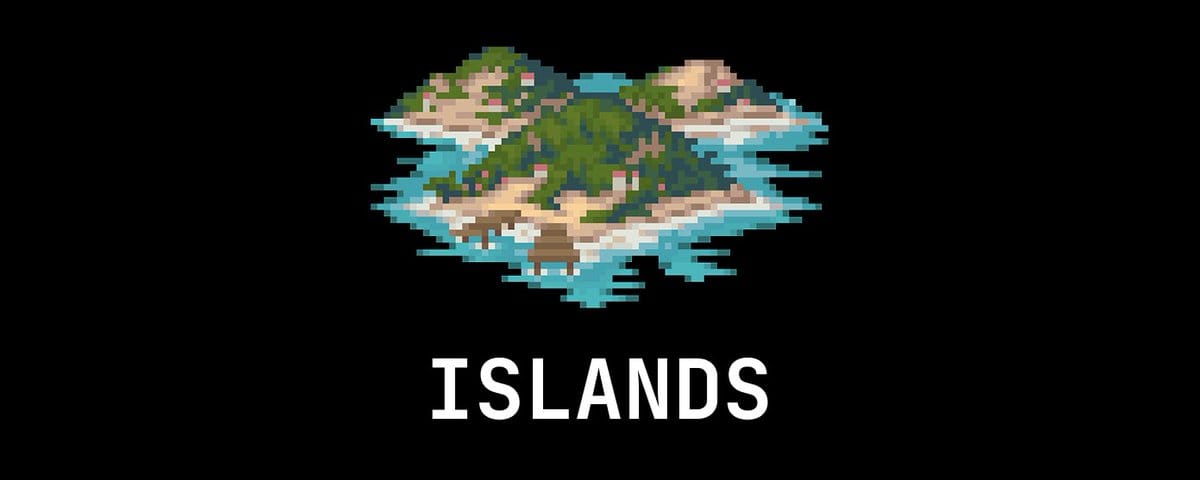
Islands is a collection of 3,333 NFTs on Ethereum (minting Thursday) that grant holders a writ of dominion to an island in the Archipelagos off the shore of New Cambria. Owning an Island allows holders to host Islets, smaller sub-islands that the rest of the player population (”settlers”) can obtain via paying in-game taxes to the main Island holder. As lords of their domains, Island holders build docks, fortifications, and production halls, set laws and levies, and compete to attract a community of settlers who farm, craft, and trade under their patronage.
TL;DR
All Island NFT holders are entitled to the following:
- Significant consideration for the Cambria token airdrop (mint + hold)
- Earn from player-owned island purchases & taxes in game
- Host Guild buildings, storage, and other facilities
- Participate in the Archipelagos (Off-Season) game mode
- Additional game utility in both Duel Arena and Gold Rush
Islands (NFTs)
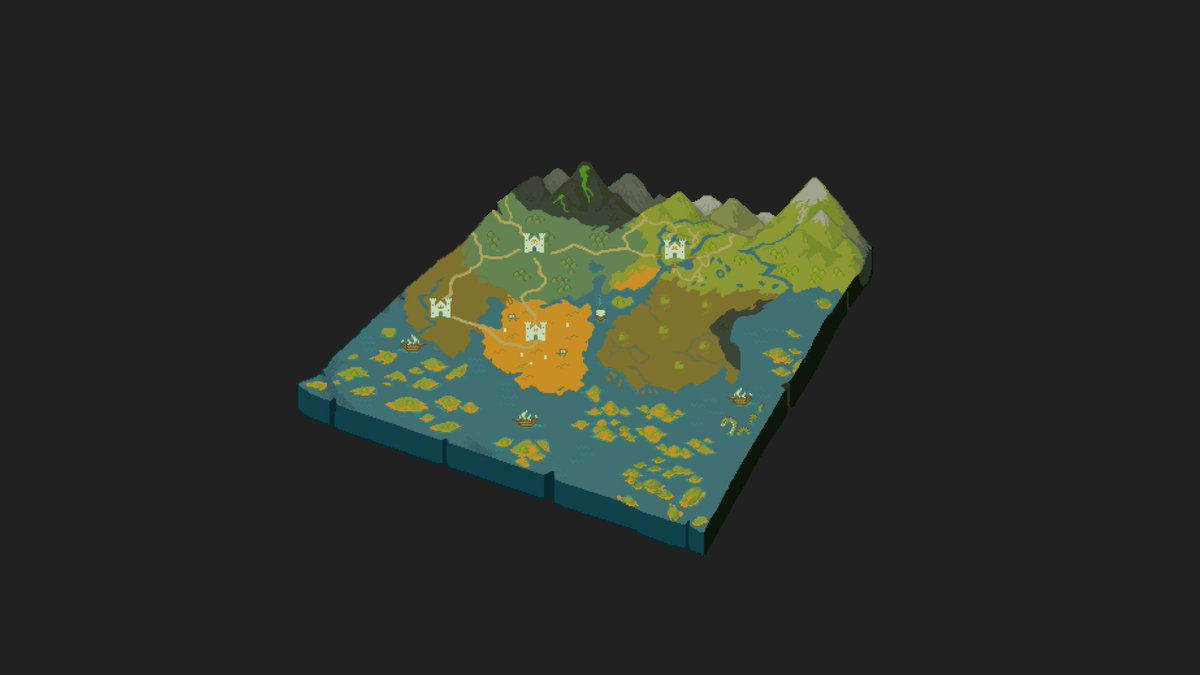
“Off the southern shores, the Archipelagos rise from the dim fog. Once thought to be myth, these scattered spires of coral and ancient earth stretch for miles. Out on the uncharted isles, far from the capital’s light, every banner flies for its own truth.”
— Letters from the Cambrian Provinces (II)
Islands are persistent, player-owned dominions in Cambria (tied to onchain NFT metadata) that serve as evolving central hubs for trade, resource refining, defense, and governance, on top of its base Islet functionality (housing, farms, etc.).Islands are the only places where the following can be constructed:
- Docks, the exclusive gateways for transport & trade to the mainland
- The Overlook, a magical nexus that links the main Island to its network of Islets
- Dungeons, heavily guarded areas hosting mines, prisons, storage, and player-constructed hideouts
- Capital Settlement - administrative halls, guild halls, refining buildings, churches, and trade ports
Island LayoutThese buildings can used by everyone in the Island community (mainly sub-Islet owners) to refine their resources, transport goods, and socialize. Upgrades to these buildings are funded either directly by the Island owner or via an Island treasury contributed to by Islet owners.
Islets (Player-Owned Islands)
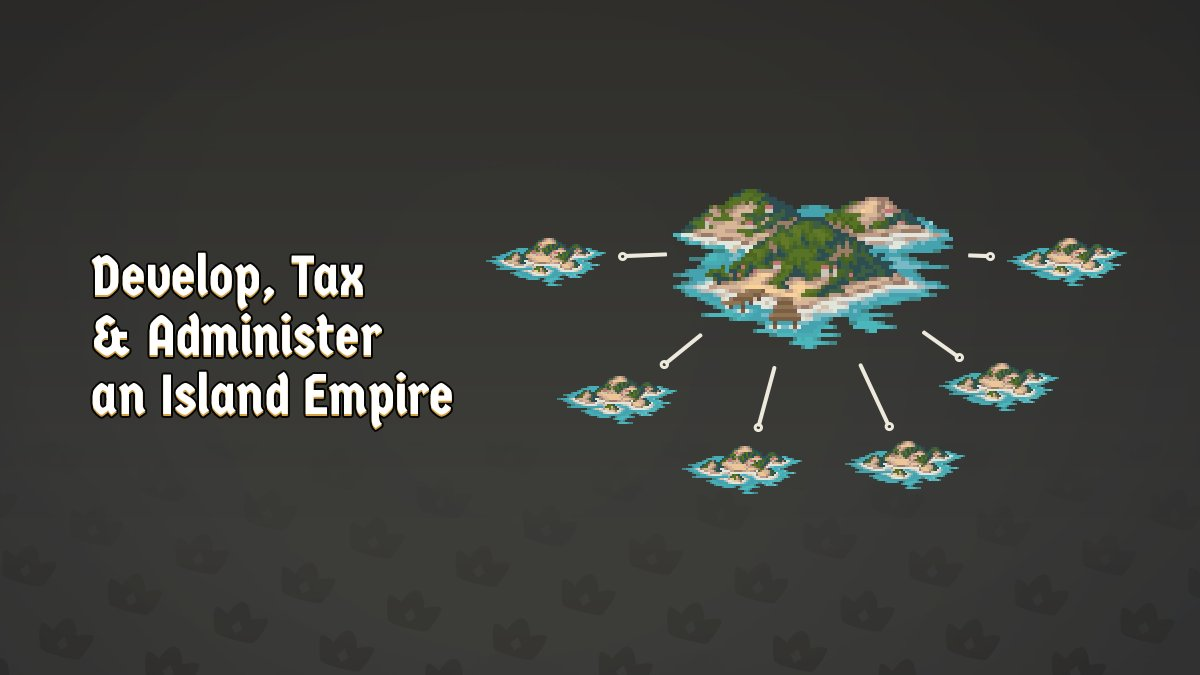
The primary mechanic of Island NFTs is the ability to host any number of Islets. These smaller, player-owned properties have persistent progression, construction, and storage, and are purchased via the ingame spend currency (easy CEX onramp, credit card, eventual mtx purchase on distribution platforms like Steam) by the vast majority of the future players of Cambria - called “Settlers.” New Islet charter fees (ingame) paid by these players are distributed back to Island NFT holders (pro rata based on holdings), while the specific Island NFT holder that the Islet is currently hosted by collects taxes on continuous production.
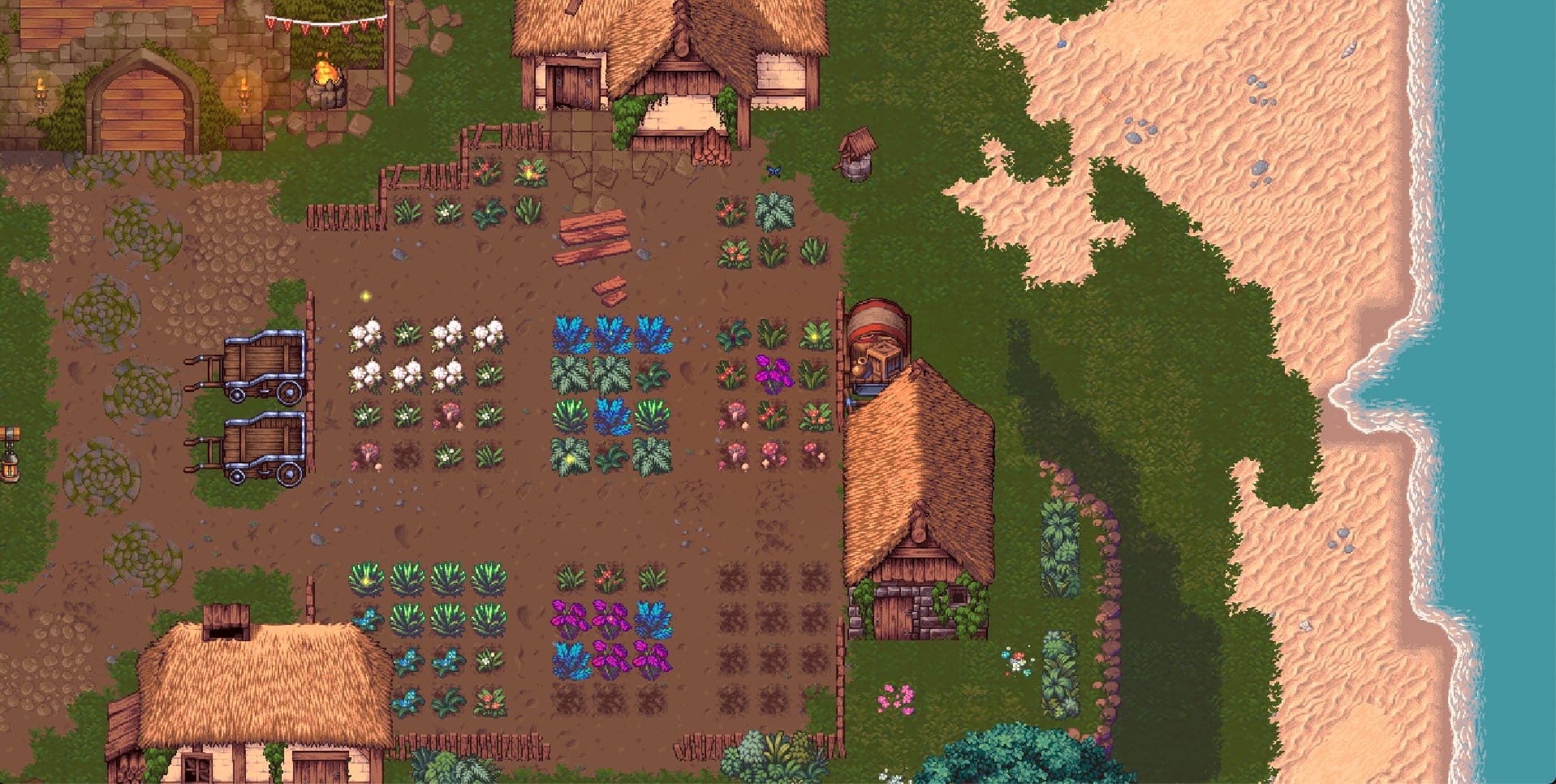
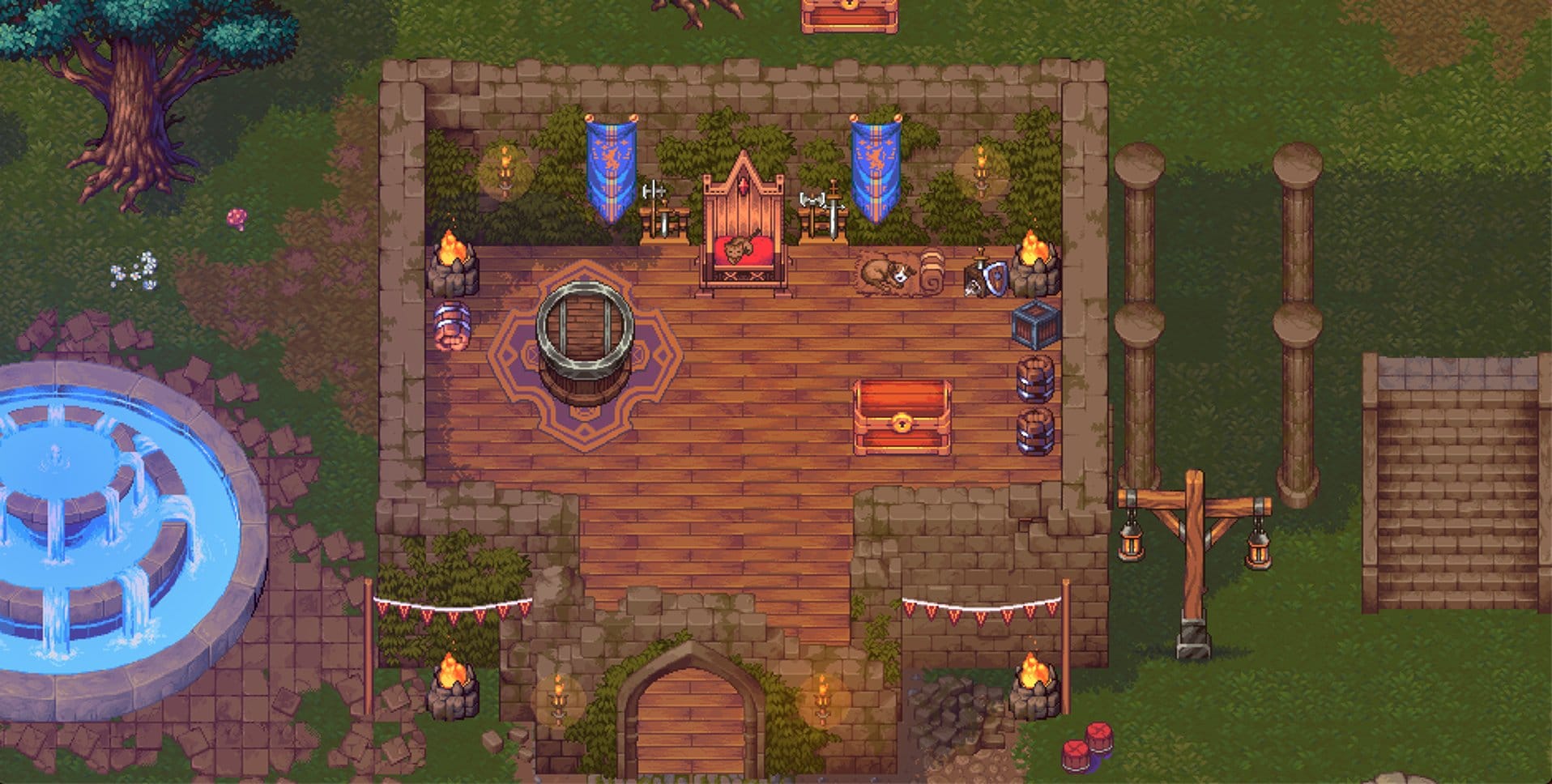
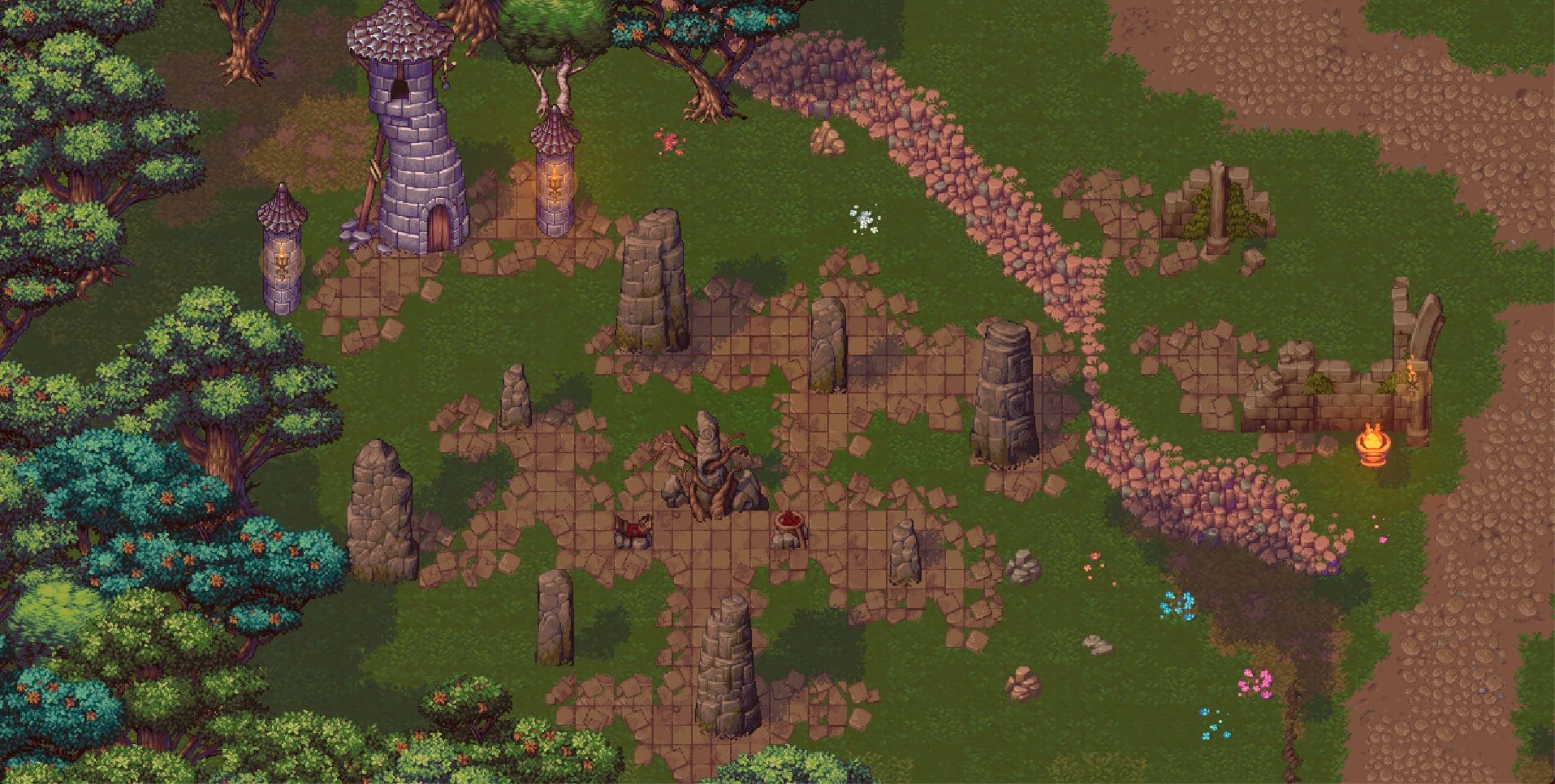
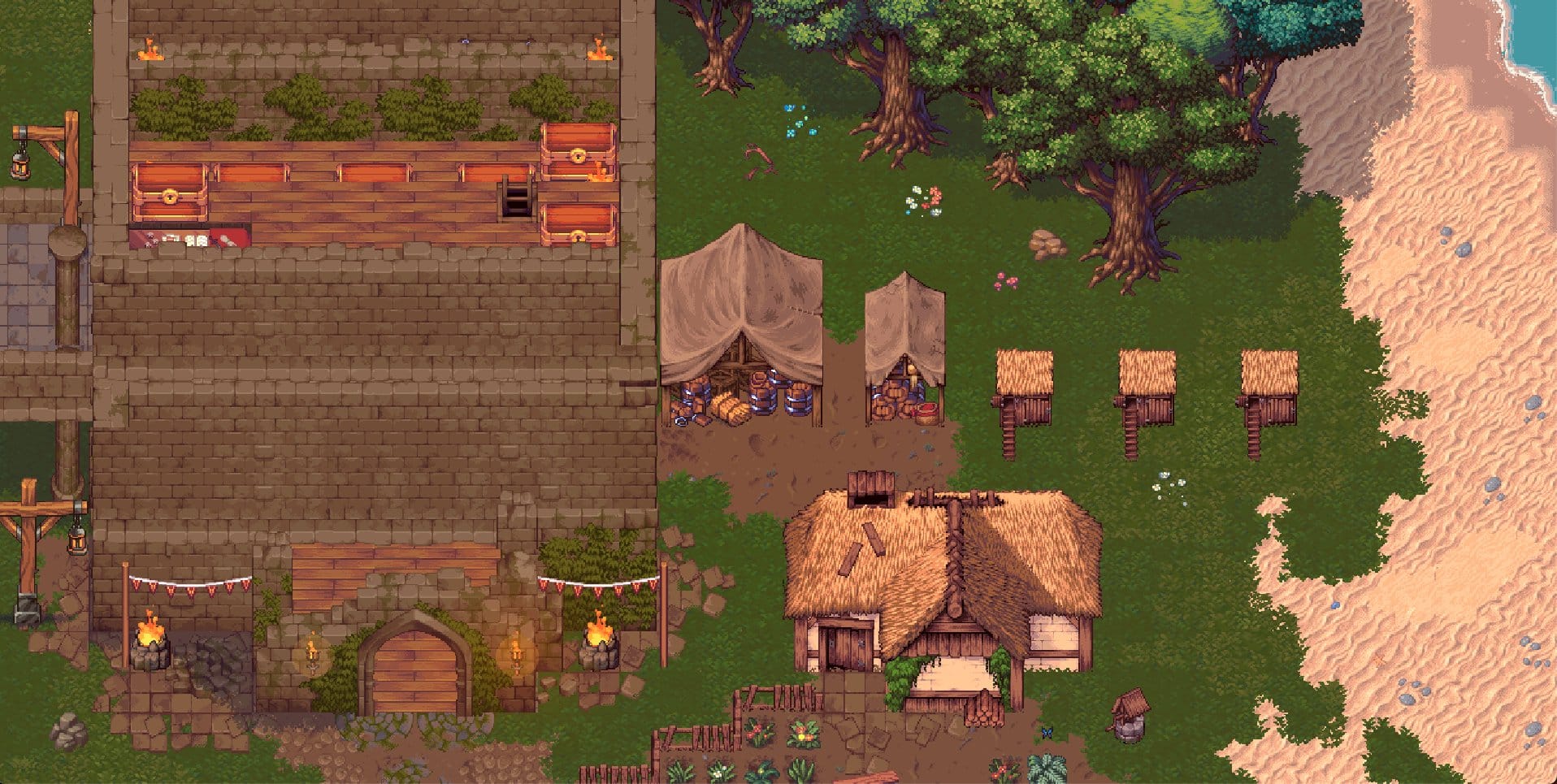
Islets provide settlers with a dedicated space to build, farm, craft, raise animals, store and transport (10-100x more space than bank), etc., away from the crowded city hubs. These Islets are accessible by taking any Port in a major city (New Mortis, etc.) to one of the Island NFT’s docks, then taking another trip from the main Island to the Islet (via the Overlook).
- Made up of predefined plots, based on the procedural generation
- Single House Plot - customize your house with the Construction skill (similar to Runescape’s Construction skill), Storage, Trophies, etc.
- Other Plots - build Farms, Animal Pastures, small Refining, Crafting, etc. buildings
- Upgrade your Islet facilities (12 Tiers)
Island NFT Traits
Main Island NFTs vary on various attributes like productivity, biome, size class, and more. Here are the starting set of attributes, we have a few more that will be introduced and rolled as Lands develop.
[1.0] Size Class
Islands are graded by class, indicating its size and influence.
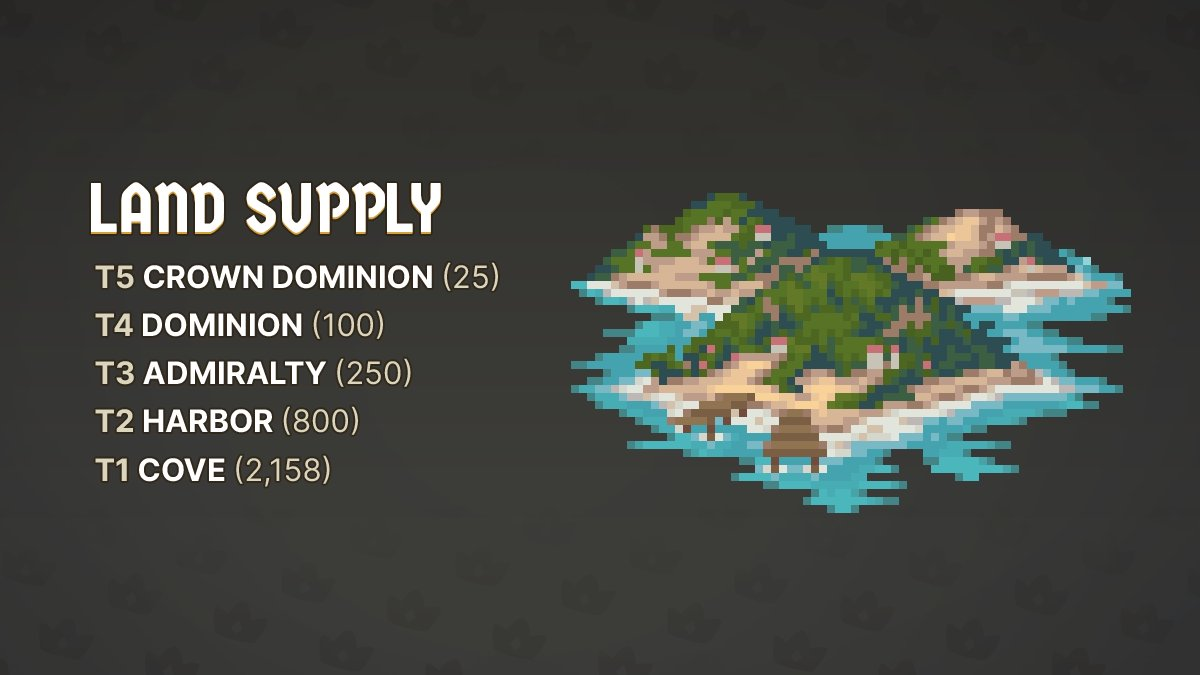
Bigger Islands have:
- More port capacity
- Ability to support Guild activities (T2+)
- Scaling Number of Multi-use Plots
- Higher Renown Weight
Note that Size Class roll will be heavily weighted based on the NFT holder’s unique Renown (Cambria NFT holding score) at time of reveal - the higher your Renown the likelier it is to roll at larger Size class.[2.0] Land SeedEach Island NFT originates from a Land Seed - a unique onchain hash that governs the parameters of its procedural generation and determine the unique features of your Island → plot locations, dungeon entrance location, etc. Mostly cosmetic / non-gameplay impacting. Once revealed, the Seed is immutable, permanently onchain as part of the Island’s metadata. No two Islands share the same signature.[3.0] FutureBiome, Port City Affiliation, Geographical Features
Island Holder Powers
Socially, Islands are seats of power. Their owners carry noble titles - Ser, Lady, etc. Alliances between Islands form proto-kingdoms where rivalries ignite wars of trade and territory. When governance shifts or its holders change, an Island’s structures, prestige, and economy persist, though some legacy is lost. The key to an island’s productive capability is attracting as many Islet holders as possible, while maintaining ability to tax. What attracts Islet holders:
- Community
- Infrastructure
- Resources (Investment)
- Low Taxes
We want Island holders to create their own mini communities in games, hosting social events, giveaways, etc. and leveraging their Islet holders to support them in alliance battles, wars, etc.Island Owners can additionally:
- Levy (Raise Funds) from their Islet tenants, Raise / Adjust Taxes
- Jail (Visitors or Islet owners), Evict Islets (forcing them to relocate)
- Participate in Governance councils
- and more...
Economics
Demand for Island-generated resources is dynamic, shifting in direct correlation with the performance of Cambria’s active game modes - Gold Rush, Duel Arena, and future expansions which sink output ("Supply Drives"), multipliers obtained from committing resources from Islands, etc). Instead of static infinite emissions, each Island’s economic output scales to aggregate player activity, victory rates, demand multipliers, and resource consumption, introducing cyclical shocks that shake out all but the most well-managed estates.
Additionally, every Island must continuously consume resources to maintain its infrastructure. If upkeep input stops for a prolonged period, the facility naturally reverts toward the Island’s base state. This design ensures perpetual maintenance demand and makes each Island self-correcting against long-term inflation or power creep.On NFT transfer, a Royal Audit is triggered - a probabilistic check that may result in partial loss of facilities or upgrade degradation. This is balanced by incentives for active island trading.
Island Sale
Land NFT claims can be minted on Ethereum on Thursday, October 23rd, exclusively offered on @opensea via our Cambria Island Drop. Mints will be priced at 0.1E per Land NFT.Pre-reveal, minters will be trading the “Writ of Dominion” placeholder, with the exact Island assignment TBD. On reveal, the Treasury will issue the land grants, revealing your specific assignment.
Distribution
With the Islands collection, we're committed to building a high quality base of holders to seed the initial community of Landowners in Cambria. Here's how we're allocating access to the mint:
- Treasury (333) - we are reserving these Island NFTs for future strategic marketing and giveaway purposes
- Priority ("GTD") WL - Founder NFT holders, First Founders (max Loyalty score), Party Hat holders, Tier 4 Core holders, Friends of Cambria, and Land Mint Raffle winners (from tickets earned as rewards in Season 1 and 2)
- FCFS WL - Players meeting certain Trinkets & Essence Points thresholds, various NFT communities, external groups, etc.
We will be releasing an Allocation Checker tomorrow. In the mean time, please reach out to our team (@cyberpunk) for any inquiries.
Other
- Island NFTs will be optionally bridgeable from ETH L1 to Ronin
FAQ
What happens if an Islet gets evicted by the main Island owner?If an Island owner revokes a settler’s rights or raises taxes beyond their means, the Islet will be put into a Pending Migration state. The displaced settler can anchor their Islet to another Island of their choosing, with all buildings, progression, and stored materials remaining intact. However, certain Islet <> Island upgrades and resource synergies may be lost.Can an Island owner freely evict anyone at any time?Yes, but it carries political and economic cost. Evictions are logged in-world; other settlers and guilds can see which lords have a reputation for instability or greed. Consistent tyranny makes it harder to attract future tenants, while benevolent governance can grow an Island into a thriving hub.What happens to an Islet if the main Island is sold or transferred?Ownership changes hands, but the Island’s infrastructure persists. The new owner inherits the existing Islet tenants and treasury balance. Tenants may choose to remain under the new regime or migrate elsewhere. Certain Island upgrades and cosmetic features tied to the old owner’s prestige may decay.Can Islets exist without an Island?No. Every Islet must be anchored to an Island.Can Island owners tax or restrict Islets differently?Yes. Each Island defines its own taxation model, access rules, and building policies. Owners can set custom rates and rules for production, exports, or docking.
Appendix
Archipelagos - Game Mode
Islands form a new resource generation game mode called Archipelagos involving a mix of active and passive gameplay. Based on the Island’s size class, it may require hundreds of players actively coordinating to maximize the Island’s potential. v1 of this minigame will involve Gold Rush S3 perks. v2 will involve a 24/7 live minigame outside of Duel Arena or seasonal Gold Rush worlds (first 24/7 Cambria game loop, ahead of Crownlands expansion). Islands will generate resources that will be consumed via Supply Drives which give Royal Favor (airdrop), ETH, and other NFTs - making it a consistent way to earn between Seasons. Islands will also have its own risk-to-earn loop with Islet-owning players able to commit energy ($) and other purchases. Supply Drive integrations with Gold Rush will drive additional seasonal demand for resources.The Core Loop
- Extraction – Islet holders mine, harvest, and refine local resources.
- Transport – Goods are ferried to Island docks
- Processing – Island facilities (forges, tanneries, refineries) convert raw resources into crafted goods.
- Distribution – Finished goods are sold at the Island’s internal market or exported to other ports or to the Capital supply drive, generating tax revenue for the Island owner.
Island Attributes
Attributes are variable metadata traits that are dynamic based on the upgrades made to the island, how the Island holder runs their islet community, and other factors. These traits are updated every 24 hours and algorithmically calculated.
- Owner / Owner Assets / Owner Guild Association
- Governance Type (Feudal, Monarchical, Committee, etc.)
- Islet Happiness Score
- Primary Crop (a few that make Island toxic, etc.)
- Taxes Charged, Bylaws
- Economic Policy - Free Trade, Protectionist, Isolationist
- Defensive Readiness
Settlers (Islet players) will need to consider all of these attributes when deciding which Island community to join.
Vice
Vice Reputation is a score (e.g., 0-100) indicating the prevalence of illicit activities like illegal drug dens, gambling halls, dueling or pit fighting rings, monster breeding, or other vice-driven economies on the Island. Land owners that get caught (via Royal Audit, must be initiated by other Island owner with influence that puts up collateral funding an investigative effort) will be heavily penalized by the Corwn.Vice-heavy Islands might boost morale or offer black market deals for quick profits, attracting risk-tolerant players. However, they often correlate with corruption and lawlessness, increasing instability. Vice-free Islands are more stable but might lack the “edge” for unconventional income streams.
Alliances
Onchain alliances are key for maximizing yields. However, backstabbing is actively incentivized, creating a game-theoretic equilibrium balance where self-interesting vs cooperation motives constantly realign the flow of profit. Higher size class islands have greater influence due to their max potential and population weight. To transport resources back to mainland (to cash out), trade routes must be purchased or negotiated. Trade routes can be hijacked by Privateers (can be funded by outsiders, or even land owners). Market pricing for output resources can also be manipulated. Member islands can lock their assets in Treasury, boosting resource multipliers and yield emissions - can be rugged. Island rates are controlled via governance. Islands can undercut allies with lower tariffs to drain tenants and liquidity. The key is to attract as many players to your alliance as possible. Island owners fund defenses, bribes for priority shipping routes, and other public projects to increase the Island community’s chance to profit, creating a risk-to-earn game loop played with Island holders coordinating potentially hundreds of thousands of other players who get involved by committing their own resources into the trade war.
Renown
With the Islands update, we're also adding a new system called Renown, to gradually replace metrics like Founder Loyalty Score. Renown is a non-transferable, time-weighted score of prestige and authority derived from holding Cambria assets - Founder NFTs, Cores, certain Rares, and Islands (retroactively calculated). It represents not wealth but legacy: how long your family name has held power, how your banners have flown above the ports, and how faithfully you’ve served the realm. The more Renown you possess, the greater your standing at Court - determining your access to privileges, influence in governance, and command over lands in the Archipelagos (think of it as a vote-escrowed score / veScore but with NFTs). Titles are visible in-game, appearing beside your nameplate and in the Court Registry, a public hall displaying every noble’s heraldry and record of holdings. In governance votes (think OSRS polling), various types of assets might have more weight on certain decisions (e.g. protocol changes - Founders, gameplay changes - Lands, aesthetic changes - Cores, Rares).